Parliament's 2025 Conclusion: The Family Courts Are Causing Harm
Parliament said the system is harmful. The system continues. Those two facts, placed alongside each other, are the accountability gap.
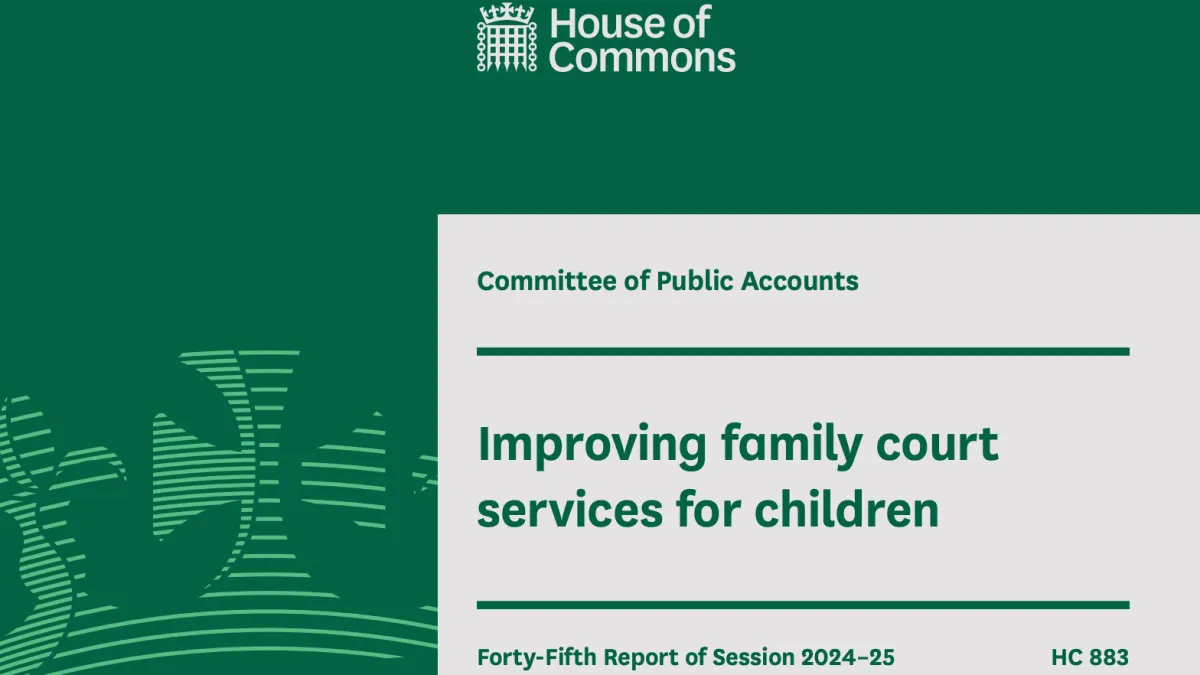
In 2025, the UK Parliament's Public Accounts Committee reached a formal conclusion about the family courts. This is not an opinion or a campaign statement. It is the recorded view of a parliamentary committee scrutinising one of the state's own systems.
The conclusion was stark: families are going through harmful processes.

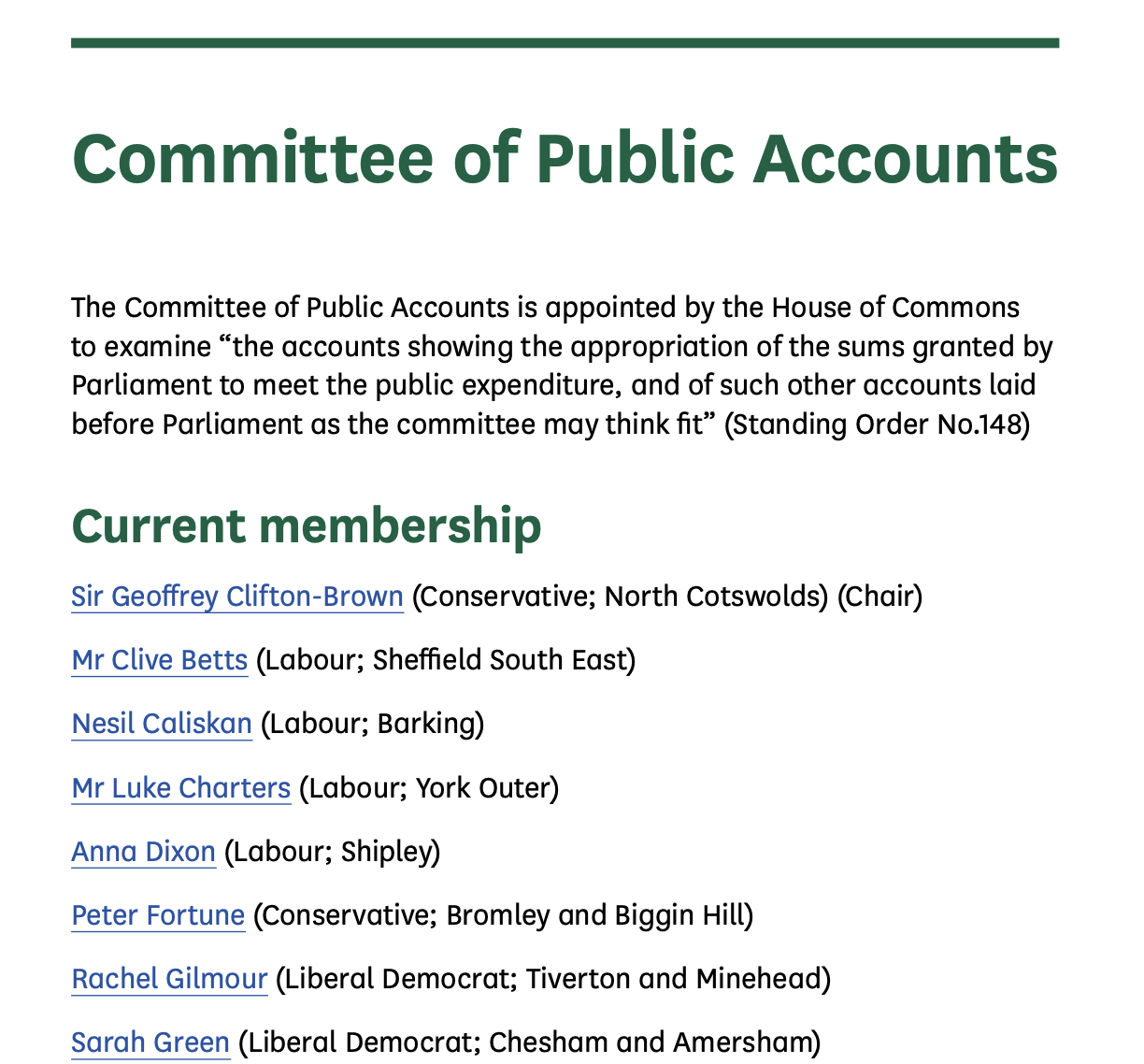
This finding carried particular weight. The Committee's Chair was Sir Geoffrey Clifton-Brown. He has been the MP for Cirencester and its surrounding constituencies since 1992. Kate attended Deer Park Secondary School in Cirencester, he was her MP throughout her secondary school years. He was her MP in 2019, when a family court judge determined she was an emotionally unfit parent without any formal clinical assessment by a qualified psychologist or psychiatrist. Kate submitted evidence to his committee. His committee accepted that evidence. His committee reached the conclusion that the system was harmful.
That sequence is not incidental. Thirty years, one constituency, one MP, and it was his committee that finally put it on the parliamentary record.
The full account of what Kate submitted and how it was structured is documented inWhat I Submitted to Parliament, and What They Concluded.
The evidence before the Committee was extensive. In 2024, the Children and Families Truth Commission published a report based on submissions from over 600 families who had experienced the family court system. Titled Eroding the Right to Family Life, it documented consistent systemic failures: children's voices being dismissed or selectively quoted, domestic abuse being mislabelled as parental alienation, protective parents being penalised for advocating for their children's safety, and an institutional culture that often prioritised process over the welfare of the child.
The Public Accounts Committee accepted this body of evidence. Its conclusion named the harm as structural, embedded in the architecture of the system itself, not merely the result of isolated bad decisions.
This was not the first warning. The 2020 Ministry of Justice Harm Report, the 2023 Domestic Abuse Commissioner's report, and the 2023 UN Special Rapporteur's findings all highlighted similar patterns: minimisation of domestic abuse, misuse of contested psychological concepts such as parental alienation, inadequate risk assessment, and the muting or selective interpretation of children's voices.
When a parliamentary committee, chaired by the former MP for both mother and child, in the year their separation was judicially imposed, accepts evidence from the affected mother and concludes that the family court system is causing harm to families, that finding is not incidental. It is specific. It is named. It is on the parliamentary record.
The institutions responsible for operating these processes have not been held accountable. The families who provided the evidence, including Kate, continue to live with the outcomes of a system the state itself has now formally described as harmful.
Parliament said the system is harmful. The system continues. Those two facts, placed alongside each other, are the accountability gap this letter is about.
Reference:
https://committees.parliament.uk/publications/49464/documents/263337/default/


