The Question a Room Full of Strangers Asked That Stopped Me in My Tracks
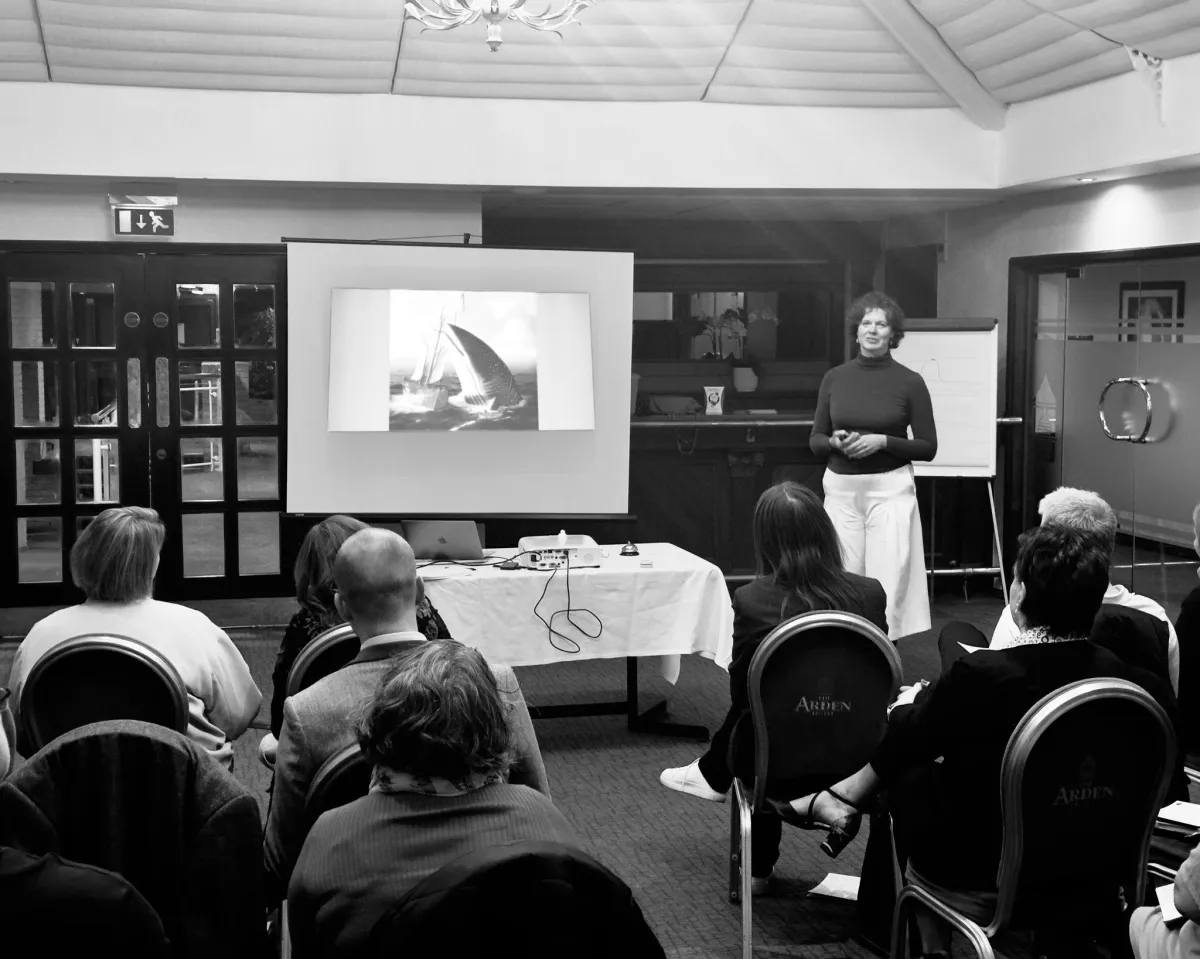
Last month I presented The Adventures of Gabriel at an event in Birmingham. I expected to talk about the book. I didn't expect to have something clarified that I had been living for twenty years without quite being able to name.
The room was full of parents, grandparents, educators, and social workers. As I shared the story behind Gabriel's book, they leaned in. But it wasn't the adventure they were most curious about.
From different corners of the room, the same question kept surfacing: "But how do we help children share their imaginative stories?"
Not a technical question. Not a curriculum question. A question rooted in genuine desire to reach children who were not being reached.
I paused before I answered, because something had just clicked.
I have spent twenty years as a physiotherapist creating the conditions for people to share what was really happening. Not what they thought I wanted to hear. Not a polished account. The real thing. I learned early in clinical practice that the solution to someone's pain was almost always found in their own narrative, if you created enough safety for it to emerge.
What I am doing with StoryQuest is the same process with different people. Instead of unlocking stories about injury and recovery, we are unlocking imagination, emotional truth, and resilience through creative storytelling. The clinical principles are identical: rapport first, permission to be messy, open questions, no correction during expression.
Children do not always need a formal diagnosis or a structured intervention. They need space, safety, and someone who genuinely listens. Storytelling becomes that space. When a child controls their own narrative, even a fictional one, they build something real: a sense that their voice matters, that their ideas have worth, that they are capable of creating something from nothing.
The people in that Birmingham room were not just professionals ticking a box. They were guides and guardians who genuinely wanted to understand how to help. That question, asked sincerely from different corners of the room, was itself a demonstration of what the methodology asks of adults: curiosity, presence, and a willingness to listen before correcting.
When we give children space to tell their stories, we give them permission to matter. The question those Birmingham parents and practitioners asked is the right one. The answer has been sitting inside every child all along.