What Jane Austen's Terrible Spelling Taught Me About Teaching Children to Write
Jane Austen couldn't spell.
She relied on her editor to correct grammar and punctuation. Her manuscripts are filled with inconsistencies. And yet she wrote Pride and Prejudice, Emma, Sense and Sensibility, some of the most beloved novels in English literature.
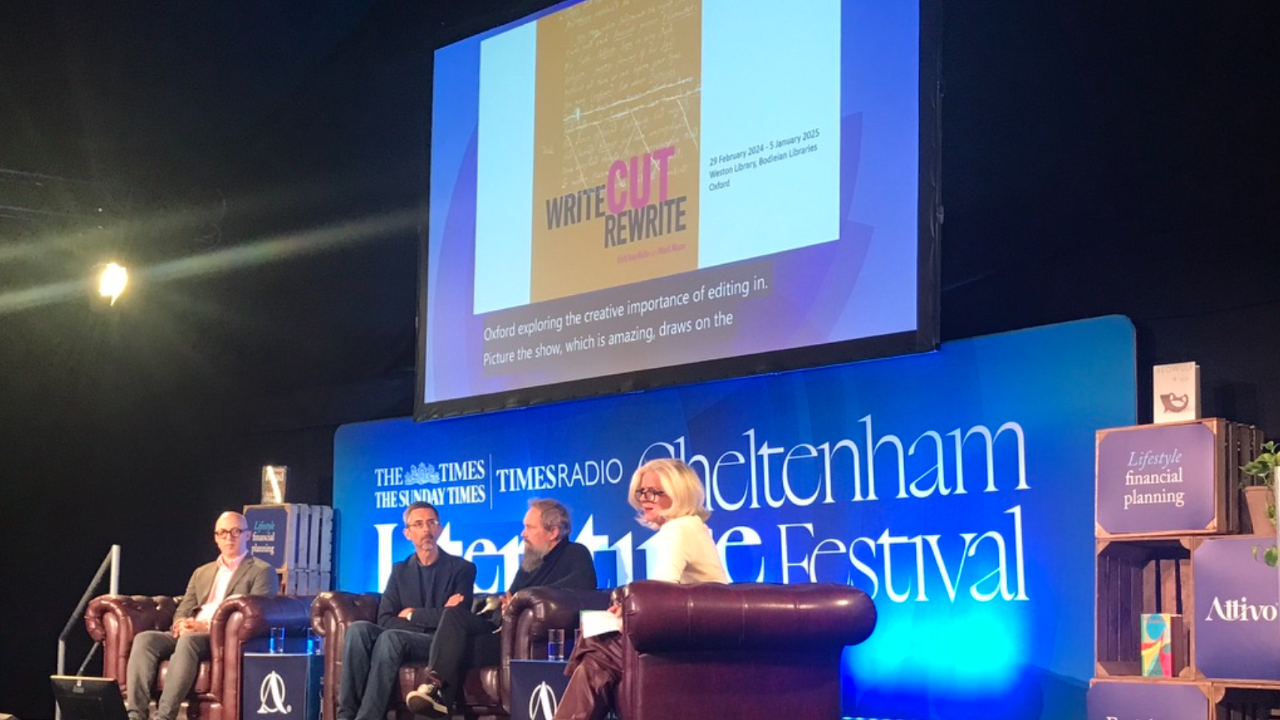
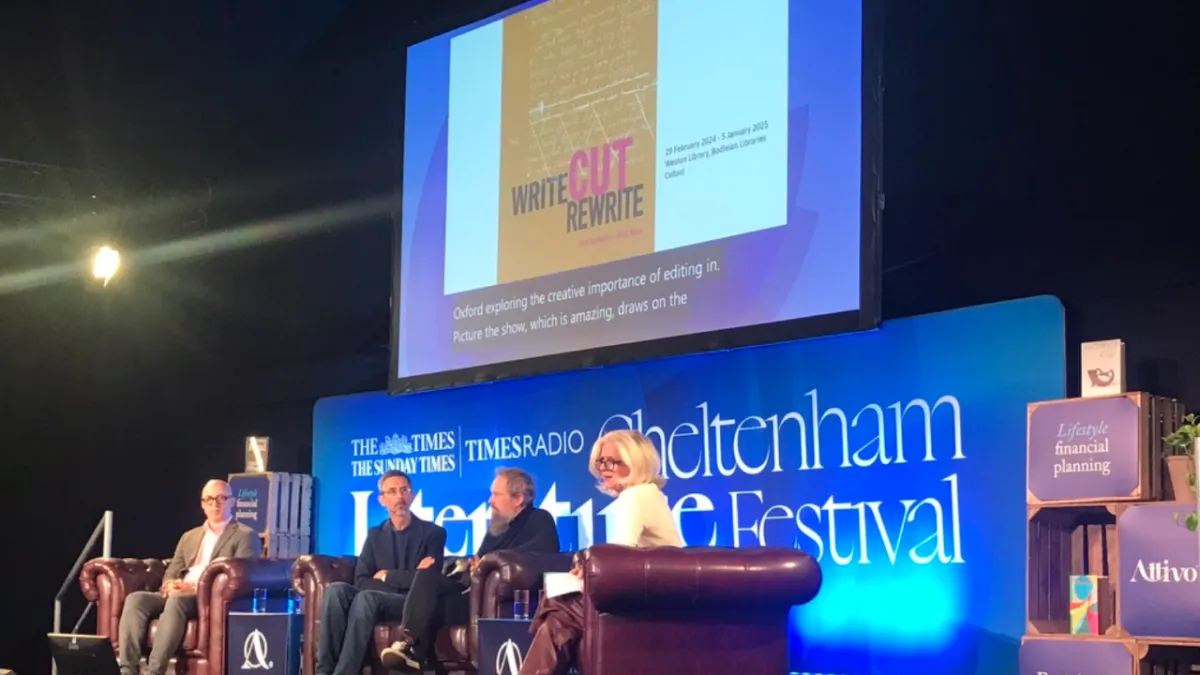
I learned this at a Bodleian Library talk during the 2024 Cheltenham Literature Festival. The session explored the messy first drafts of celebrated authors, and what I took from that room wasn't literary history. It was a question I couldn't stop thinking about: what are we doing to children when we correct before they have finished creating?
J.R.R. Tolkien drew his stories before he wrote them. Visual imagination came first, words second. There is no single right way into a story. Yet most classrooms operate as if there is only one way in, and any deviation is a mistake to be corrected.
Storytelling and editing are two entirely different brain functions. Expressing a story uses one set of skills. Shaping and refining it uses another. Most of us were never taught this distinction. The red pen arrived before the story was even out, and for many children, it never left.
In StoryQuest sessions we separate these two jobs completely. Children tell their stories aloud first. A partner writes it down. The child is not wrestling with spelling and handwriting while trying to hold a creative idea in their head. The creative flow is protected. The editing comes later, once the story exists.
When children are freed from the pressure to be perfect during creation, something shifts. Reluctant writers become enthusiastic storytellers. Children with spelling anxiety produce elaborate narratives. Students who feared the blank page fill it. The phrase "I can't write" becomes "I want to be an author."
No great book is written alone, either. The most celebrated authors relied on collaboration. Yet we routinely ask children to write in isolation and judge them on a first attempt. In StoryQuest, children work in pairs: one storyteller, one scribe. Writing becomes a team effort, not a solo performance, and it stops being frightening.
If Jane Austen's first drafts were messy, so can your students' be. Messy first drafts are not failures. They are foundations.
Our job is not to fix stories too soon. It is to create the conditions in which children feel safe enough to share them in the first place.


