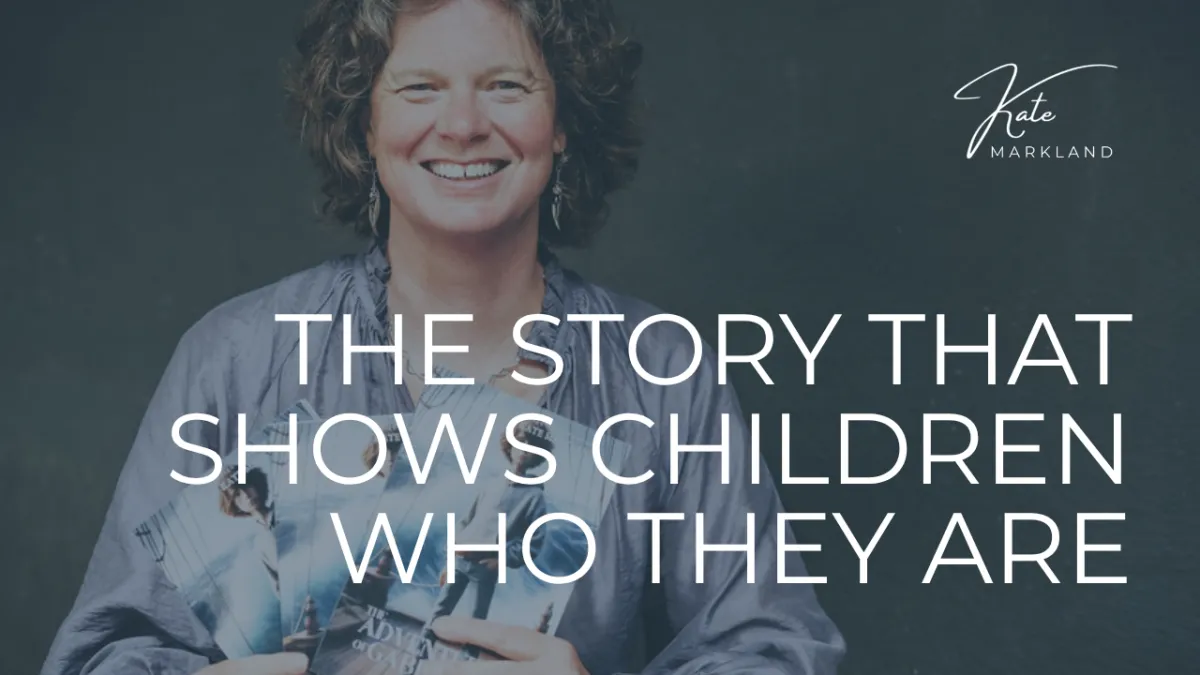
The Story That Shows Children Who They Are
Gabriel was ten years old when he was separated from his mother. One hour a week on FaceTime. No warning. No conversation. Just the sudden absence of the person who had always been there.
What saved him, in the way that things save children without anyone naming them as interventions, was story. Not therapy. Not a programme. Story. The gradual, weekly building of a world where he was the hero, where he made the choices, where courage appeared when it was needed and a loyal platypus was always by his side. A world where, however constrained the real circumstances, his imagination was entirely his own.

This is what schools can offer children who are carrying things that adults cannot always see. Not clinical support, schools are not clinics, but the structured, consistent experience of being heard without judgment, of creating without correction, of discovering that their inner world has value. The Adventures of Gabriel is not a therapeutic text. But the conditions that produced it, complete creative freedom, an adult who scribes without correcting, a partner who listens, a story that gets published and celebrated, are conditions that support exactly what schools are positioned to provide: nurturing, identity monitoring, and the kind of attentive observation that tells a teacher when a child needs something more.
What teachers report after StoryQuest sessions is instructive. Children disclosing meaningful feelings through fiction for the first time. Children who were invisible becoming visible through their stories. Children whose self-concept was fixed around "I can't write" discovering something different about themselves. These are not literacy outcomes dressed up as wellbeing. They are wellbeing outcomes that happen to produce extraordinary literacy results alongside them.
A child who creates a hero who faces fear and finds a way through is not just writing an adventure story. She is practising something. She is rehearsing, in the safe distance of metaphor, the possibility that difficulty can be navigated, that she is the kind of person who figures things out, that her voice is worth hearing. That is what positive self-concept looks like in formation. It does not arrive through a wellbeing lesson or a survey about feelings. It arrives through the lived experience of making something that matters and having it taken seriously.
Schools that create those conditions weekly are doing something that no clinical programme delivered at scale can replicate: they are being present, consistently, in the ordinary moments where children's sense of themselves is quietly being formed. Gabriel's story began in impossible circumstances. The children in those nine schools were not in impossible circumstances. But they needed the same thing he did. To be heard. To be seen. To discover that their story was worth telling.
Every single one of them said yes when asked if they would like to be the hero of their own story. That answer is the data point that matters most.


